Worth Walk Young & Well
Healthy FriendshipsHealthy Friendships · Understanding Bullying
Healthy Friendships
From friendship to bullying
What is bullying?
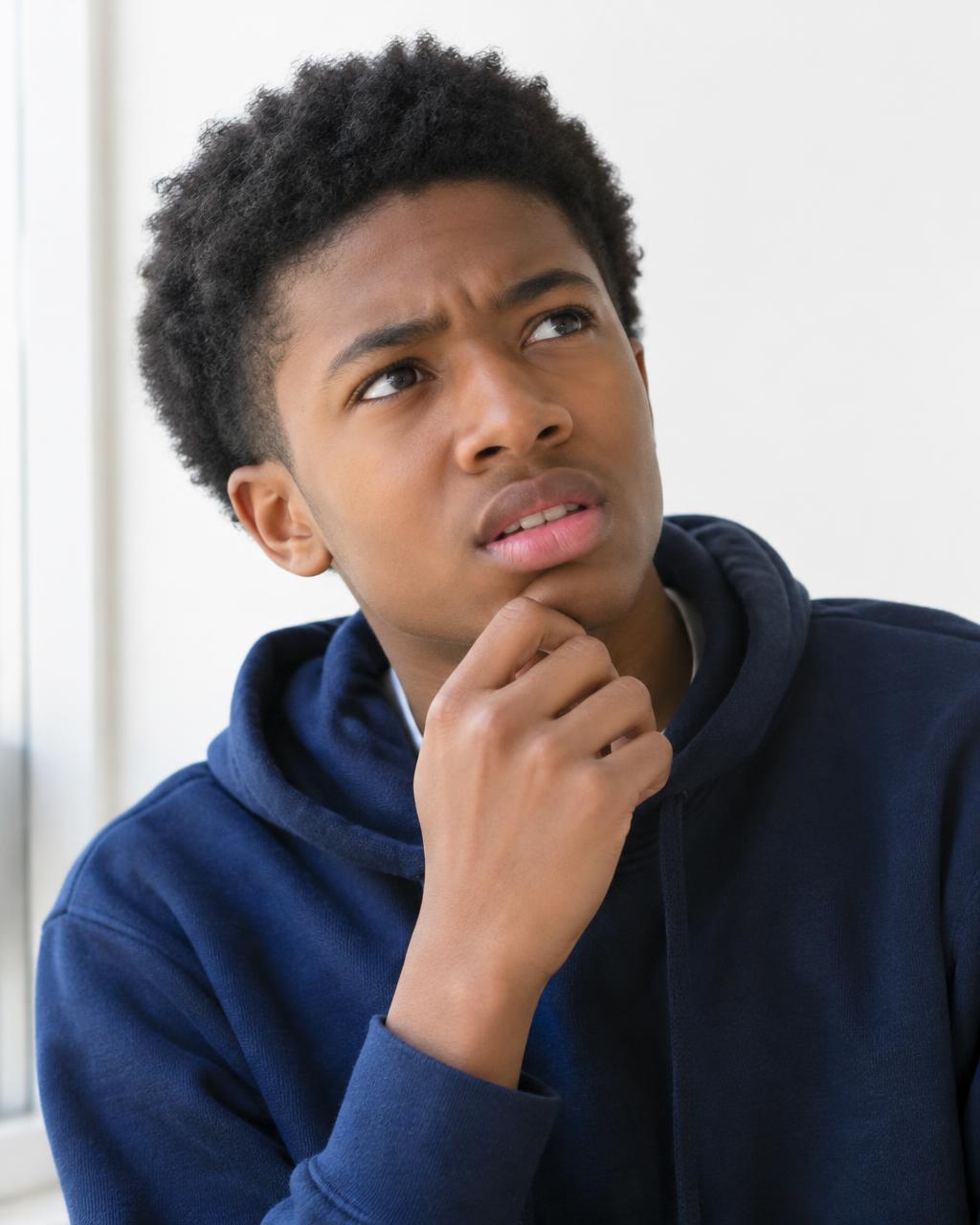
Take a guess before you scroll.
The definition
What is bullying?
Bullying is unwanted, aggressive behavior that involves a real or perceived imbalance of power and is repeated — or has the potential to be repeated.
Unwanted aggression
Hurting, threatening, humiliating or deliberately excluding someone.
Unequal power
Size, popularity, a group, or access to private information can make it hard to defend yourself.
A pattern — or a threat of one
It has happened more than once, or there is reason to believe it could happen again.
Definition adapted from StopBullying.gov · What Is Bullying
Notice your role
What is a bystander?
Take a guess before you scroll.

The answer
What is a bystander?
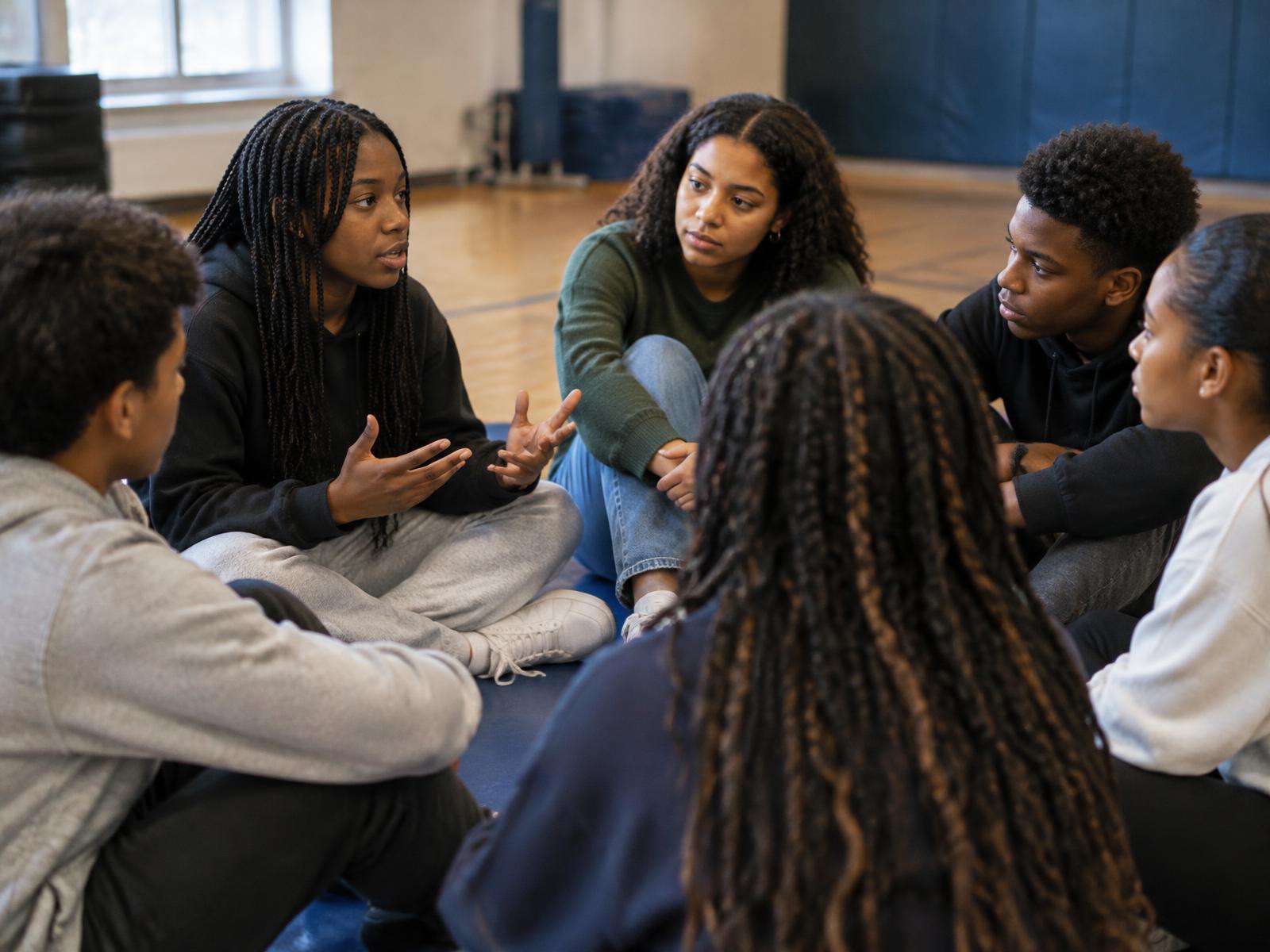
A bystander is someone who sees or knows about bullying but is not the person being targeted or the person causing the harm.
Watching is a position. What you do next is a choice.
- Laughing or sharing can reward the harm.
- Staying quiet may leave someone feeling alone.
- You can choose a safe way to help.
Choose your move
What is an upstander?
Take a guess before you scroll.

The answer
What is an upstander?
An upstander notices harm and takes a safe action to support the person being targeted.
Don't give it an audience
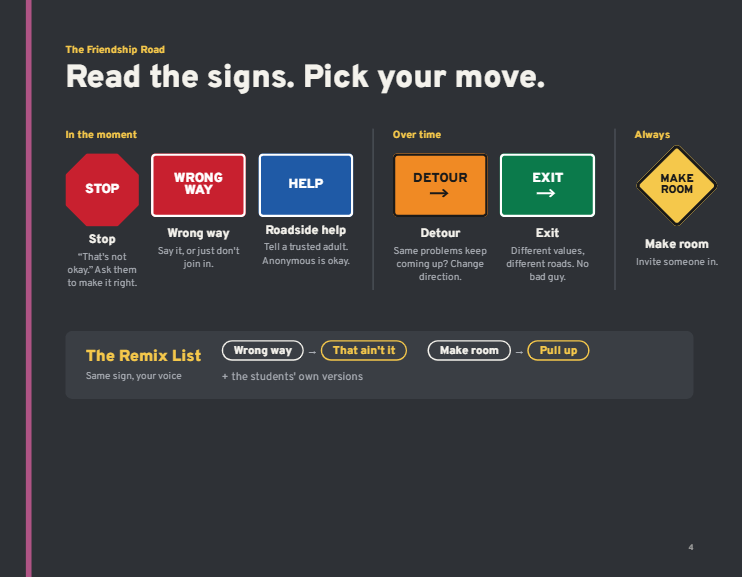
Don't laugh, like, repost or pass it along.
Stand beside someone
Save a seat. Check in privately. Say, “Come walk with me.”
Speak up — if it is safe
“That’s not okay.” You do not have to argue or fight.
Bring in help
Tell a trusted adult. If the first adult does not act, tell another.
Being brave does not mean putting yourself in danger.
A question for the room
Who has the most power in a bullying scenario?
Take a guess before you scroll.
The answer
Who has the most power in a bullying scenario?
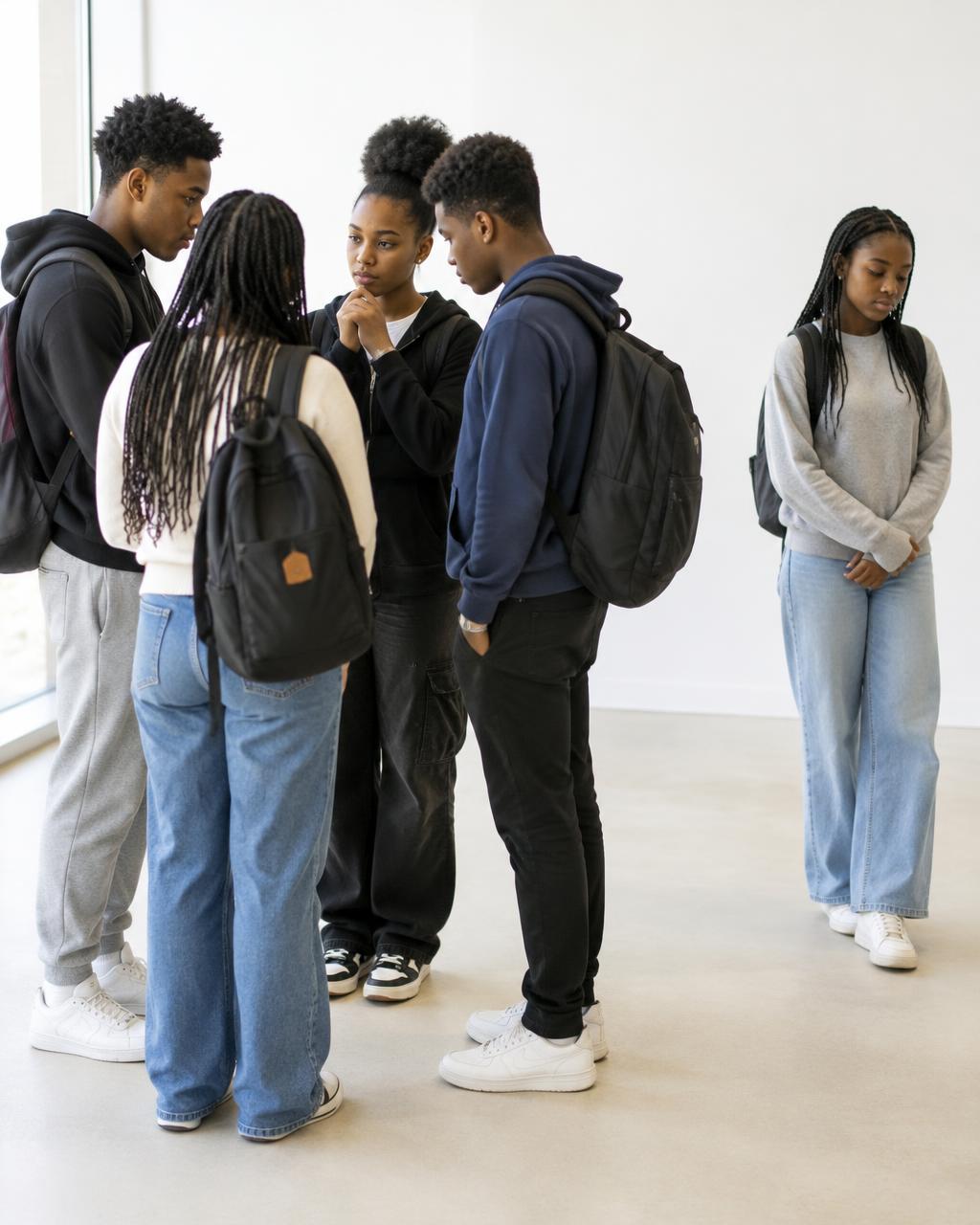
The audience has power to change the situation.
The person causing harm may hold the advantage. But the people around them can stop rewarding it, support the person being targeted and bring in help — especially when they act together.
What gives harm power?
Laughter. Likes. Shares. A crowd joining in.
What changes the balance?
Support. Refusing to join in. Adults who act.
Power depends on the situation. Adults are responsible for safety; the person being targeted is not responsible for stopping the bullying.
Before you name it
Is it bullying, conflict or a hurtful moment?
- 1
What happened?
Describe the behavior — not just the people. Was it unwanted and aggressive?
- 2
Who holds the power?
Can both people speak up and defend themselves, or does one have an advantage?
- 3
Is there a pattern?
Has it happened before? Is there a threat or likelihood that it will happen again?
A disagreement between people with similar power may be conflict. A single hurtful act still needs a response — even if it does not meet the definition of bullying.
You do not need to prove it is bullying before asking for help.
Read the signs. Pick your move.